
The Rise of K-Dermatology: Why South Korea is the Global Capital for Skin Health Tourism
Read about The Rise of K-Dermatology: Why South Korea is the Global Capital for Skin Health Tourism on faceon
Since 2009, foreign patient visits seeking advanced dermatological treatments in South Korea have surged by an astonishing 11,000%. This unparalleled growth firmly establishes South Korea as the undisputed global capital for K-Dermatology and skin health tourism.
But what exactly fuels this remarkable phenomenon? This article will break down the key drivers, from cutting-edge technology and competitive costs to powerful cultural influence. We will also explore the most popular treatments and provide a comprehensive guide for anyone considering a medical journey to Seoul.
A 117-Fold Surge: The Unprecedented Growth of Korean Dermatology Tourism
South Korea's standing as a global leader in medical aesthetics has never been clearer. The K-dermatology boom represents a monumental shift, drawing international visitors in unprecedented numbers. This isn't just a trend; it's a fundamental reorientation of global wellness travel, driven by tangible value and the country's growing cultural capital.
The statistics tell a compelling story of explosive growth. From a modest 6,015 foreign patients seeking dermatology services in 2009, the number skyrocketed to over 705,000 in 2024, as reported by the dermatological Korea Health Industry Development Institute. This marks an astonishing 117-fold increase in just fifteen years. Dermatology now accounts for a staggering 56.6% of all medical treatments sought by foreign nationals in Korea, a significant leap from only 9.3% in 2009.
This remarkable surge propelled South Korea to welcome a record 1.17 million foreign medical tourists in total during 2024, far surpassing its 2027 goal of 700,000 patients ahead of schedule, according to the dermatology Ministry of Health and Welfare. The primary demographics fueling this dermatological influx are diverse, yet concentrated. Patients from Japan constitute the largest group at 43.7%, followed by China at 24.4%, and Taiwan at 9.6%, highlighting a strong regional pull. These figures underscore not just a growing interest, but a decisive preference for Korean skin care expertise.
The data-backed growth of dermatological tourism to South Korea signifies a fundamental shift in the global wellness landscape, driven by tangible value and cultural capital.
The Three Pillars of Dominance: Why South Korea Wins on Skin
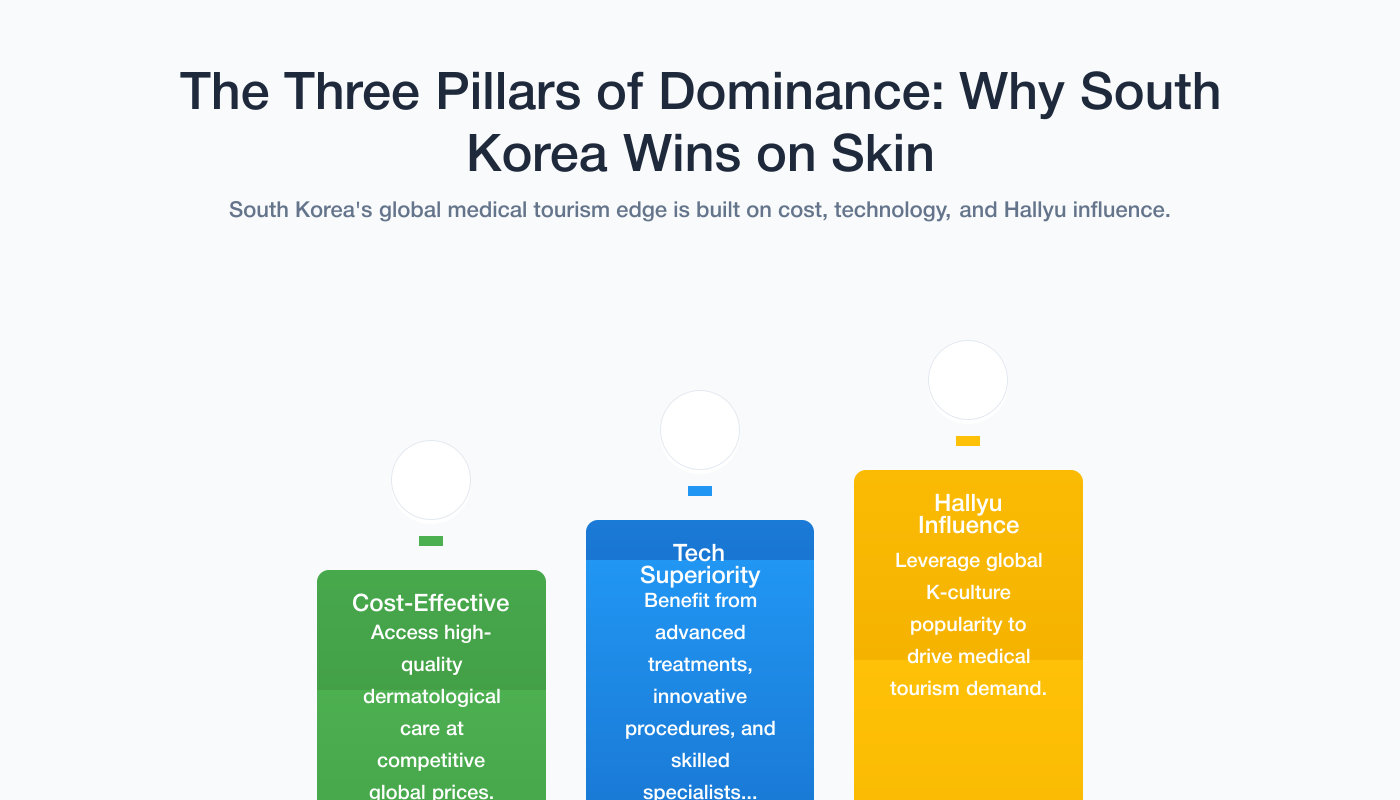
The dramatic surge in international patients seeking dermatological care in South Korea is no accident. It is meticulously built upon a robust foundation of three interconnected pillars: unparalleled cost-effectiveness, cutting-edge technological superiority, and the powerful global influence of the Hallyu (Korean Wave) effect. Understanding these core drivers provides clarity on South Korea's competitive edge in the global medical tourism market.
Affordability Without Compromise
One of the most compelling reasons for foreign visitors to choose South Korea for dermatology is the significant cost advantage. Patients can access world-class treatments at a fraction of the price found in many Western countries, without sacrificing quality or safety. This economic benefit makes advanced skincare accessible to a broader international audience.
Consider treatments like Botox, a popular cosmetic procedure. In Seoul, a single Botox session can cost as little as $30, while the same treatment in major cities like New York City or London can easily exceed $400. This drastic difference extends across a range of services, from laser treatments to injectables. The overall medical expenditure in South Korea is approximately 2.58 times lower than in the United States, as confirmed by various industry reports. This allows medical tourists to combine high-quality care with the opportunity to explore the country, often spending more overall.
Note: The average spend per medical tourist in South Korea is $2,408, significantly higher than general tourists, indicating value perception.
The lower cost base does not equate to lower standards; rather, it reflects a competitive market, efficient healthcare infrastructure, and government support for medical tourism. Patients benefit from transparent pricing and package deals, making financial planning straightforward.
Technological Superiority and Innovation
South Korea's dermatology clinics are at the forefront of medical innovation, constantly adopting and refining the latest technologies. This commitment to advanced treatments and equipment ensures patients receive the most effective and least invasive procedures available globally. The nation's rapid adoption of new techniques often means patients can access treatments not yet widely available elsewhere.
Korean dermatologists are renowned for their meticulous techniques and innovative approaches, often pioneered within the country. A prime example is the popularity of treatments using salmon DNA-derived polynucleotides, often branded as Rejuran. These regenerative treatments, widely available and highly sought after in Korea, are still emerging or less accessible in many other parts of the world. Clinics are equipped with state-of-the-art laser devices, advanced diagnostic tools, and offer a comprehensive menu of services from anti-aging to acne scar removal. This technological edge provides superior outcomes, attracting patients specifically seeking these advanced options.
Korean research and development in medical aesthetics are robust, fostering an environment where clinics can offer specialized, often personalized, treatment plans. This continuous pursuit of excellence ensures patients benefit from the most current and effective dermatological solutions.
The Power of the 'Hallyu' Effect
Beyond cost and technology, the pervasive influence of South Korean culture, known as Hallyu, plays a crucial role. The global popularity of K-pop, K-dramas, and Korean beauty standards has cultivated an aspirational image of flawless, radiant skin. This cultural phenomenon directly impacts medical tourism decisions.
K-pop idols and K-drama stars embody an idealized aesthetic that many international fans wish to emulate. This visual influence creates a direct link between Korean entertainment and beauty aspirations, prompting fans to seek out the very clinics and treatments used in Korea. A 2023 survey indicated that nearly 50% of medical tourists to South Korea cited K-Culture as a significant factor in their decision-making process. The perceived expertise in achieving this "glass skin" aesthetic generates immense trust and desire.
The accessibility of information about Korean beauty routines and products further reinforces this cultural pull. Social media platforms are filled with endorsements and transformations, solidifying Korea's reputation as the epicenter of advanced skincare. This cultural magnetism not only attracts patients but also builds a unique emotional connection and trust in Korean medical professionals.
South Korea's leadership in dermatology is not accidental; it is built on an interconnected system of unparalleled cost-effectiveness, cutting-edge innovation, and the powerful global influence of K-Culture.
What's on the Menu? The Most Popular Skin Treatments for Foreigners
South Korea's reputation for cutting-edge skincare extends far beyond its renowned beauty products. For international visitors, the allure increasingly lies in specific, advanced dermatological treatments that promise noticeable and lasting results. This shift moves beyond general interest to a targeted pursuit of highly effective procedures, drawing in a global clientele seeking tangible results.
Among the myriad of options, certain treatments stand out for their popularity with a global clientele:
Rejuran Healer: This innovative injectable treatment harnesses polynucleotides derived from salmon DNA. It ’s designed to repair damaged skin cells, improve elasticity, and reduce the appearance of fine lines, offering a natural-looking rejuvenation. Rejuran is consistently cited as one of South Korea ’s most popular medical services, highly sought after for its regenerative benefits.
Picosecond Lasers: These advanced lasers are a game-changer for addressing various pigmentation issues. They effectively target sun spots, melasma, and acne scars with ultra-short pulses, minimizing damage to surrounding tissue and significantly reducing downtime. Reports show that non-surgical patients frequently opt for these sophisticated laser treatments (Business of Fashion, 2023).
Microneedling with Radiofrequency (RF): Combining the collagen-stimulating power of microneedling with radiofrequency energy, this procedure delivers a dual benefit. It creates micro-injuries to prompt natural healing while RF energy heats deeper skin layers, tightening skin and improving texture. Social media trends and content creator experiences often highlight its efficacy for comprehensive skin refinement.
Botox and Fillers: While widely available globally, Botox and dermal fillers in South Korea are celebrated for their competitive pricing and the refined expertise of Korean practitioners. These standard aesthetic procedures remain highly requested, delivering precise enhancements for wrinkles and volume loss. International patients value the consistent, natural-looking outcomes achieved here.
Skin Boosters: This category encompasses a range of injectable treatments designed to hydrate and nourish the skin from within. Popular examples include the LHALA peel (a gentle peeling solution that improves skin texture) and the "Chanel Injection", which delivers a blend of hyaluronic acid and vitamins for a radiant, luminous complexion. These boosters are instrumental in achieving the coveted glass skin glow, a key aesthetic trend globally.
These treatments represent a blend of advanced technology and refined techniques, making them particularly attractive to those seeking both preventative and corrective skincare solutions. The focus on minimally invasive yet impactful procedures allows for quicker recovery, appealing greatly to medical tourists with limited time. The detailed understanding of skin physiology by Korean practitioners, combined with technological prowess, ensures that these specific treatments deliver exceptional value and tangible improvements. Choosing a specific treatment like Rejuran Healer or a Picosecond Laser offers a direct path to targeted skin concerns.
The clear demand for these specific, scientifically-backed treatments underscores Korea's position as a global leader in aesthetic dermatology.
Navigating the Seoul Clinic Scene: A Guide for First-Timers
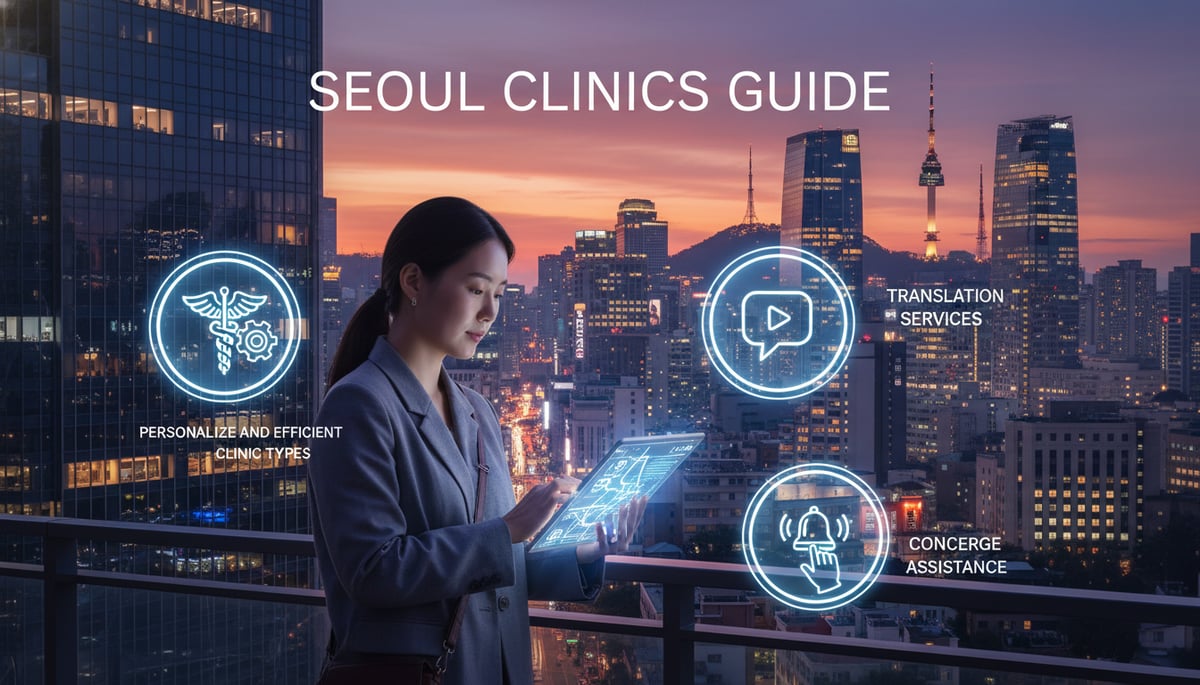
Embarking on a medical tourism journey in South Korea requires careful preparation to ensure a rewarding experience. The vibrant Seoul clinic scene, while offering unparalleled services, can be overwhelming for newcomers. A successful and safe medical tourism experience in South Korea hinges on diligent research and strategic planning to navigate a complex and fast-paced environment.
Your first step is to understand the different types of clinics available:
- Bespoke Clinics: These generally offer more personalized care, with longer consultations and a focus on individual patient needs. They often have a higher doctor-to-patient ratio and might specialize in specific treatments.
- 'Factory Clinics': While efficient and often more budget-friendly, these clinics prioritize volume. Consultations can be quicker, and the approach might feel less individualized. Dermatologists caution against these high-output clinics, emphasizing personalized care for best results (Medical Tourism Association, 2022).
Many international visitors find immense value in medical tourism concierge services, like Himedi. These services are invaluable for streamlining your trip, assisting with clinic selection, booking appointments, arranging lodging, and providing crucial translation services. They act as a bridge, making the entire process smoother and less daunting.
Managing the language barrier is another critical aspect. While many top clinics in Seoul boast English-speaking staff, relying solely on this might not be sufficient for in-depth discussions. It ’s always wise to utilize a reliable translation app or consider hiring a dedicated medical interpreter for complex consultations. Ensuring clear communication is paramount for understanding procedures and aftercare instructions.
Pre-trip online research is indispensable. Immerse yourself in blogs, vlogs, and forums created by previous medical tourists. These resources, often found on dedicated platforms like Face on Korea, offer firsthand accounts and visual guides that can be incredibly informative. However, always approach this information with a critical eye, as some content might have inherent biases. Seek out diverse perspectives to form a balanced view.
Finally, prepare for a consultation process that might differ from what you're accustomed to in Western countries. Korean practitioners are often direct and efficient, focusing on clinical assessment and recommended solutions. This can sometimes be perceived as less "bedside manner" focused. Reports indicate that feedback from clinic staff can be quite blunt, such as being told one looks 'old' or 'sick,' which is often purely a professional observation rather than an insult. Understanding this cultural nuance helps set appropriate expectations.
Thorough preparation, including leveraging concierge services and cultural awareness, is key to a smooth and satisfying K-dermatology journey.
Risks and Realities: The Unspoken Challenges of K-Dermatology

While South Korea offers exceptional dermatological services, it's crucial for prospective medical tourists to approach the experience with a balanced perspective. Beyond the allure, there are inherent challenges and potential pitfalls that demand consideration. Despite its many advantages, medical tourism in South Korea carries unique risks related to legal structures, healthcare system pressures, and post-treatment care that prospective patients must carefully weigh.
One significant concern is South Korea's strict anti-defamation laws. These laws can make it legally risky to post negative reviews, even if truthful, leading to a potential lack of transparent patient feedback online. This means that readily available online reviews might not fully reflect the range of patient experiences, making independent research challenging. The case of Grace Yoon, who faced a legal dispute over a negative TikTok review, starkly illustrates this risk (CNN, 2023).
Furthermore, the South Korean healthcare system has recently experienced significant strain due to an ongoing doctors' strike. This situation has raised serious concerns about the availability of emergency care, particularly for specialized treatments, in the event of complications. A content creator reportedly faced delays in emergency care and lost vision in one eye, highlighting the potential consequences of such systemic pressures (Koreaboo, 2024). This current instability underscores the importance of verifying emergency protocols before traveling.
Another major structural weakness is the lack of a standardized follow-up care system for international patients. Once a patient returns to their home country, managing post-procedure recovery, addressing any unforeseen issues, or seeking routine check-ups can be difficult. Yanolja Research (2023) has highlighted this inadequacy as a key concern, suggesting it can leave patients feeling unsupported during a critical recovery phase. This necessitates pre-planning for your own post-care needs.
Lastly, the high-volume nature of some clinics, particularly the 'factory clinic' model, can lead to rushed consultations. Patients might experience less personalized care or feel pressured to make quick decisions without adequate time for questions. While efficient, this approach may not suit everyone, especially those seeking extensive discussions or a more holistic care experience. It is important to find a balance between efficiency and individualized attention.
Prospective patients must carefully assess these often-unspoken risks to ensure a fully informed decision.
South Korea has firmly solidified its status as the global epicentre for skin health tourism. The remarkable 11,000% surge in foreign patients since 2009 undeniably showcases its profound and ever-increasing appeal. This unprecedented rise of K-Dermatology is fueled by a strategic alignment of factors that position South Korea as the premier destination for cosmetic and medical skin treatments.
The core reasons behind its dominance are clear:
- Cost-Effectiveness & Quality: Patients access world-class dermatological procedures and advanced skincare at prices often more competitive than in Western countries, without compromising on standards.
- Pioneering Technology: South Korea leads in adopting and developing cutting-edge dermatological technologies, from innovative laser treatments to sophisticated anti-aging solutions, offering truly state-of-the-art care.
- Cultural Excellence: A profound national emphasis on beauty and skin health has cultivated an exceptionally skilled and responsive industry, continuously pushing boundaries in aesthetic innovation.
While the advantages of K-Dermatology are undeniable, a successful journey requires careful consideration. Prospective visitors must approach their decisions with thorough preparation, understanding both the extraordinary opportunities and the practical realities involved in medical travel.
For anyone ready to explore South Korea ’s leading skin health offerings, the pathway begins with diligent research and thoughtful planning. Seek out reputable clinics through resources like Face on Korea, consult with certified specialists, and prepare for a transformative experience guided by expert care.
Tags
Related Articles

Why Korean Dermatology Is Leading the World in 2025

Why Korean Clinics Are Setting the Gold Standard in Skin Rejuvenation