
Mastering Your Korean Plastic Surgery Consultation: A Foreigner's 2025 Guide
Read about Mastering Your Korean Plastic Surgery Consultation: A Foreigner's 2025 Guide on faceon
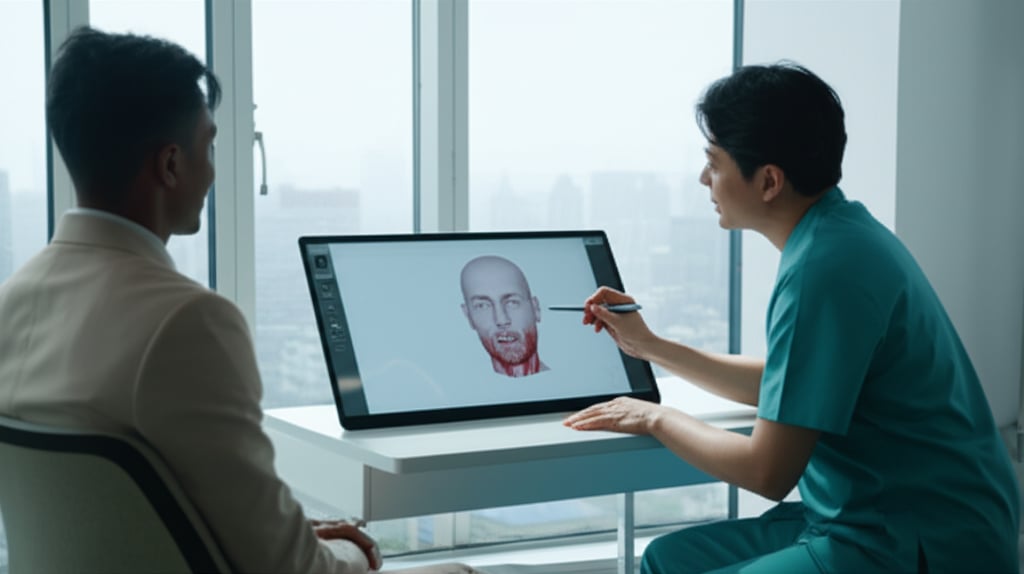

South Korea has solidified its position as the undisputed global vanguard in aesthetic medical practices, attracting a staggering volume of international individuals seeking diverse cosmetic enhancements each year. This extraordinary flow of patients highlights the nation's sophisticated methodologies and exceptionally skilled surgical practitioners. For anyone contemplating embarking on this transformative path, the first crucial action is typically arranging a consultation, a procedure that, while potentially appearing intricate, becomes wholly straightforward with appropriate direction.
South Korea: The Epicenter for Cosmetic Refinements Worldwide
Globally, South Korea accounts for a substantial proportion of all cosmetic surgical procedures, serving as a powerful indicator of its societal acceptance of aesthetic enhancement and its unwavering dedication to medical superiority. Within a culture where one's outward appearance can significantly impact social standing and career progression, investing in beauty is frequently perceived as a worthwhile endeavor. The emergence of the distinctive "K-face" aesthetic – defined by characteristics such as expansive double eyelids, a sculpted nose, and a sleek, V-line jaw – has significantly reinforced Korea's widespread impact on worldwide beauty ideals. The country proudly hosts an extraordinarily high density of plastic surgery establishments and expert practitioners, particularly concentrated in Seoul's affluent Gangnam area, which on its own contains hundreds of specialized clinics.
Key Insight: The preeminence of South Korea in the field of plastic surgery stems from a confluence of deep-seated cultural elements, the societal premium placed on aesthetics, and a plentiful supply of exceptionally proficient medical professionals.
Demystifying the Consultation Journey: A Guide for International Patients
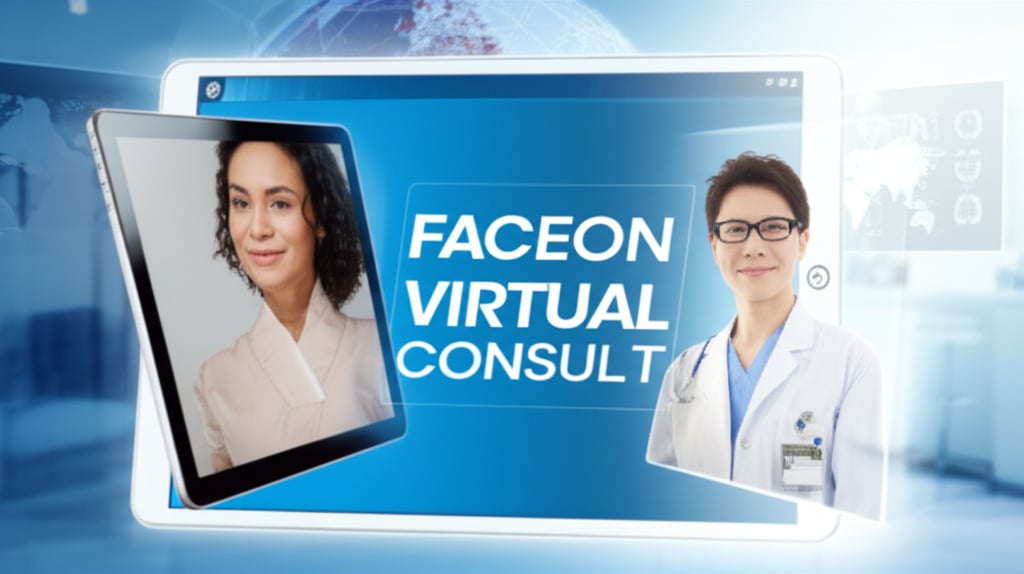
Initiating a consultation with a South Korean plastic surgeon as someone from abroad typically involves a series of fundamental steps, often made smoother by clinics accustomed to an international patient base. Digital platforms specializing in medical tourism can dramatically simplify this process, offering direct pathways to professionals and overcoming common obstacles.
- Initial Digital Outreach: Commence your journey by researching reputable clinics and contacting their international patient service departments. Many establishments provide online inquiry forms, email addresses, or utilize popular messaging applications like KakaoTalk for initial communication.
- Virtual Medical Discussion: An increasing number of clinics, including those accessible via platforms such as FaceOn, now offer remote video consultations. This innovative approach enables prospective patients to articulate their aesthetic aspirations, convey their medical history, and receive preliminary expert advice from leading surgeons without the need for immediate travel. FaceOn, for instance, offers real-time audio translation, effectively eliminating language barriers during these vital early conversations. These virtual sessions can also assist you in envisioning potential outcomes, sometimes enhanced by 3D imaging technology that simulates post-surgical results.
- Preliminary Cost Estimate Reception: Following your consultation and based on submitted photographs, the clinic will furnish an estimated cost for your desired procedures. It is crucial to ascertain precisely what this quotation encompasses (e.g., the surgery itself, anesthesia, post-operative care).
- Travel and Entry Visa Confirmation: Once you have chosen a clinic and a specific procedure, solidify your travel dates and verify that you fulfill South Korea's visa requirements. Many Western nationalities benefit from a 90-day visa-exempt entry, but it is always imperative to confirm specific stipulations for your country.
- In-Person Consultation and Medical Diagnostics: Upon your arrival in Korea, your initial face-to-face appointment will generally involve a more comprehensive consultation with your surgeon, coupled with an exhaustive health examination, including blood tests, CT scans, and X-rays. This moment presents a critical opportunity to reconfirm your aesthetic objectives, pose any lingering questions, and ensure complete alignment with the surgeon's vision.
Key Insight: Strategically utilize online resources for initial consultations to conserve both time and financial resources, and thoroughly prepare for subsequent in-person discussions and medical evaluations.
Selecting Your Optimal Clinic and Surgeon: Beyond Surface-Level Reviews
The choice of the appropriate clinic and surgeon is paramount for achieving a successful outcome. While testimonials found online and endorsements from influencers can provide initial glimpses, a more profound investigation is indispensable for making an exceptionally well-informed decision.
- Official Recognition and Accreditation: Prioritize clinics that have received recognition from respected global accreditation bodies, such as the International Joint Commission, or domestic Korean institutions like the Korean Institute for Healthcare Accreditation. Seek out surgeons who possess board certification from esteemed organizations like the Korean Society of Plastic and Reconstructive Surgeons (KSPRS) or the International Society of Aesthetic Plastic Surgery (ISAPS).
- Authentic Patient Narratives: Endeavor to find verified patient reviews and genuine before-and-after photographs. While certain clinics intensely market to foreign clientele, seeking diverse perspectives from a range of international patients can offer a more balanced and realistic portrayal. Online observations suggest that heavily promoted clinics might not always be the optimal choice for every procedure, with some excelling in specific areas (e.g., facial contouring) but performing less impressively in others (e.g., rhinoplasty).
- Direct Engagement with the Surgeon: Confirm that the surgeon with whom you consult will indeed be the one who performs your actual procedure. This precaution helps to mitigate the risk of "ghost surgery," a serious concern where a different, less experienced doctor might operate. Request written confirmation detailing who will be responsible for each segment of your procedure.
- Communication Pathways and Assistance: Opt for clinics that provide dedicated international patient managers and in-house interpreters. Unambiguous communication throughout the entire journey, from the initial inquiry to post-operative care, is absolutely essential. Personal accounts underscore the significance of proactive and consistent communication, noting that some clinics may exhibit slow or inconsistent response times prior to patient arrival.
Key Insight: Thorough research focusing on official accreditations, authenticated patient feedback, direct involvement of the operating surgeon, and robust communication support is fundamental for a secure and gratifying experience.
Understanding Financial Aspects and Comprehensive Packages: Maximizing Value
One of the most compelling factors attracting foreigners to South Korea for plastic surgery is the substantial cost savings compared to Western nations, often ranging from 40% to 75%. This affordability does not compromise quality; rather, it reflects a highly competitive market and an efficient healthcare delivery system.
South Korean plastic surgery clinics frequently offer all-inclusive packages that streamline financial planning. These typically cover:
- Pre-operative consultations and planning sessions
- Extensive medical examinations and necessary tests
- The surgical procedure itself
- Post-operative hospital stay (if medically required)
- Required medications, wound dressings, and follow-up appointments
- Professional translator services
Some premium packages may even extend to include airport transfers and accommodation assistance, further amplifying convenience for international patients. Additionally, numerous clinics provide a 10% VAT refund for credit card payments, offering an extra layer of savings.
Comparative Costs: South Korea vs. Western Nations (Estimated Ranges)
| Procedure | South Korea | United States | Potential Savings | Inclusions (South Korea) |
|---|---|---|---|---|
| Eyelid Reshaping | $1,500 – $4,000 | $6,000 – $15,000 | Up to 75% | Consultations, Tests, Surgery, Aftercare, Translation |
| Nasal Reconstruction | $3,000 – $7,000 | $11,000 – $20,000 | Up to 70% | Consultations, Tests, Surgery, Aftercare, Translation |
| V-line Jawline Contouring | $5,000 – $10,000 | $10,000 – $20,000 | Up to 50% | Consultations, Tests, Surgery, Aftercare, Translation |
| Rhytidectomy (Facelift) | $9,000 – $14,000 | $15,000 – $50,000 | 40% – 70% | Consultations, Tests, Surgery, Aftercare, Translation |
| Mammary Augmentation | $4,000 – $15,000 | $8,000 – $18,500 | 50% – 75% | Consultations, Tests, Surgery, Aftercare, Translation |
| Adipose Tissue Removal (per region) | $1,500 – $5,000 | $5,000 – $10,000 | 50% – 70% | Consultations, Tests, Surgery, Aftercare, Translation |
Note: These figures represent approximate price ranges and can fluctuate considerably based on the specific clinic, the performing surgeon, and the complexity of the individual case.
Key Insight: South Korea presents significant economic advantages through its competitive pricing structures and comprehensive package offerings, making it an exceedingly appealing destination for international patients.
Prevalent Procedures and Evolving Aesthetic Preferences
South Korean plastic surgery predominantly concentrates on facial aesthetics, which constitutes a vast majority of all procedures performed. Nevertheless, body contouring and enhancement surgeries are also in high demand.
Facial Augmentation Procedures
- Blepharoplasty (Eyelid Surgery): This is the most frequently requested procedure, involving the reshaping of eyelids to create a more expansive, youthful appearance. Techniques encompass upper and lower blepharoplasty, sub-brow lifts, and distinctive procedures like Aegyo Sal (designed to create subtle under-eye fat rolls for a brighter, more vibrant look).
- Rhinoplasty (Nose Reshaping): The second most popular, Korean rhinoplasty often emphasizes the creation of a higher nasal bridge and a more refined tip. Surgeons commonly utilize silicone allografts, which may facilitate quicker recovery periods and a reduced likelihood of complications compared to cartilage autografts frequently employed elsewhere.
- V-line Contouring: This specialized procedure involves sculpting the jawbone and chin to achieve a slender, V-shaped facial silhouette, a defining characteristic of the Korean beauty ideal.
- Rhytidectomy (Facelift): Often performed in conjunction with neck lifts, Korean facelifting techniques aim for natural facial movement and the preservation of individual features, thereby avoiding an overtly tightened or "pulled" appearance.
- Facial Fat Grafting: Surgeons carefully transplant a patient's own fat, typically harvested from areas like the abdomen or thighs, to strategically augment facial volume, thereby restoring a youthful fullness without the need for conspicuous artificial fillers.
Body Sculpting Procedures
- Liposuction: This procedure removes stubborn localized fat deposits. Clinics often employ less invasive methodologies, such as VASER liposuction, to achieve smoother results and accelerate healing. Patient experiences indicate that clinics are transparent about potential discomfort levels and the realistic extent of achievable outcomes.
- Mammary Surgeries: This category encompasses augmentation, lifts, and reductions, with a strong emphasis on creating natural, harmonious breast shapes using discreet implant placements and techniques that minimize visible scarring.
Key Insight: Korean plastic surgery excels across a broad spectrum of facial and body procedures, frequently utilizing advanced, less invasive techniques meticulously tailored to achieve balanced and naturally appealing results.
Crucial Pre- and Post-Surgical Preparations: A Holistic Approach
Meticulous preparation is indispensable for ensuring a seamless surgical experience and optimal recovery. This extends beyond conventional advice to include dietary considerations, mental well-being, and a comprehensive understanding of aftercare protocols.
Leading Up to Your Surgery
- Dietary and Supplemental Adjustments: Beyond strictly avoiding alcohol and smoking, integrate anti-inflammatory foods (such as turmeric, ginger, and omega-3 rich items) into your diet in the weeks preceding your surgery. Always consult your surgeon regarding the intake of supplements like Vitamin C, Zinc, and Arnica, which are known to support tissue healing.
- Mental Wellness Assessment: Cosmetic surgery can exert significant emotional influences. It is advisable to engage with a therapist or counselor prior to surgery to navigate potential emotional shifts, manage expectations realistically, and prepare for the psychological dimensions of recovery.
- Detailed Logistical Planning: Organize practical aspects such as meal provisions and entertainment options for your initial recovery days, particularly if you are traveling unaccompanied. Having readily available snacks and a curated list of movies or shows can significantly enhance comfort during the immediate post-operative period.
Following Your Surgery
- Extensive Aftercare Services: Many highly reputable clinics offer comprehensive aftercare treatments, including deswelling lasers, cryocell therapies, high-frequency treatments, and even hyperbaric oxygen chamber sessions. Some also provide invaluable practical services like hair washing, which is exceptionally helpful when surgical incisions must remain dry. It is widely observed that effective aftercare can dramatically reduce swelling and improve overall patient comfort.
- Diligent Adherence to Instructions: Strict compliance with post-operative directives concerning medication, wound care, and activity limitations is paramount for proper healing and to prevent potential complications.
- Patience with Outcome Progression: Remember that the final aesthetic results require time to fully materialize as swelling subsides and tissues heal. Patience is a virtue during this period, and maintaining continuous communication with your clinic regarding your recovery progress is highly important.
Key Insight: A comprehensive approach to pre- and post-operative care, embracing physical, mental, and logistical planning, is vital for fostering a positive and successful experience.
Travel and Recuperation: Practical Considerations for a Seamless Journey
Thoughtfully planning your travel arrangements and recovery period can significantly alleviate stress and enhance your overall experience.
Travel Logistics
| Aspect | Details |
|---|---|
| Entry Visa | The majority of Western tourists are eligible for a 90-day visa-free entry. Always verify specific requirements pertinent to your nationality via the official Korean embassy website well in advance of your trip. |
| Air Travel | Anticipate flights from major international hubs to Incheon International Airport (ICN) to typically span around 14 hours. Round-trip airfares can exhibit considerable variation but generally fall within a budget-friendly spectrum, particularly from certain geographical regions. Clinics may offer assistance in arranging car services from the airport directly to your chosen accommodation. |
| Lodging | Secure accommodation featuring essential amenities such as a private bathroom and elevator access, which are crucial for post-operative comfort. Options range from economical guesthouses to mid-range hotels. Many clinics maintain partnerships with nearby hotels or provide dedicated recovery lodgings, which are highly recommended for convenient access to follow-up appointments and immediate medical assistance. Staying in close proximity to the hospital minimizes the stress of navigating bustling urban environments during your recuperation. |
| Payment Methods | Most clinics readily accept Korean won (KRW) and major credit cards (Visa, Mastercard). You typically have the option to be charged in KRW or your native currency. As previously mentioned, a 10% VAT refund is frequently available when payment is made via credit card. |
| Medical Coverage | Standard travel insurance policies generally do not extend coverage to elective cosmetic surgery. It is advisable to consider obtaining specialized medical tourism insurance to safeguard against unforeseen complications that may arise. |
Optimal Timing and Recommended Duration of Stay
- Ideal Seasons: Spring (March-May) and Autumn (September-November) offer the most agreeable weather conditions for recovery, allowing you to avoid the intensely hot, humid summers and the cold winters.
- Avoiding Congested Periods: Clinics can become exceptionally busy during major Korean holidays like Chuseok or Lunar New Year. Scheduling your surgery outside these peak times can ensure more individualized care and potentially quicker access to recovery support.
- Suggested Stay Length: Surgeons typically advise international patients to remain in South Korea for a minimum of 7-14 days post-surgery. This duration allows ample time for initial healing, suture removal, and crucial follow-up appointments. Extending your stay can be advantageous for continued access to aftercare services and enhanced overall peace of mind.
Key Insight: Meticulous planning for travel logistics, accommodation, and surgical timing, coupled with an adequate recovery duration, ensures a more comfortable and safer experience abroad.
Commonly Asked Questions
Here are some frequent inquiries international patients have regarding plastic surgery in South Korea:
Q: Is knowledge of the Korean language necessary to undergo plastic surgery in Korea?
A: No, the majority of reputable clinics that cater to international patients employ English-speaking staff, professional translators, or dedicated international patient coordinators. Platforms like FaceOn further facilitate communication by providing live audio translation during virtual consultations.
Q: How can I verify the credentials of a surgeon?
A: Look for board certifications from esteemed organizations such as the Korean Society of Plastic and Reconstructive Surgeons (KSPRS) or the International Society of Aesthetic Plastic Surgery (ISAPS). Trustworthy clinics will prominently display their accreditations and the qualifications of their surgeons.
Related Articles

How to Choose the Right Plastic Surgeon in Korea: A Guide for International Patients

Online Consult Savings: The Shocking Truth About Korean Plastic Surgery