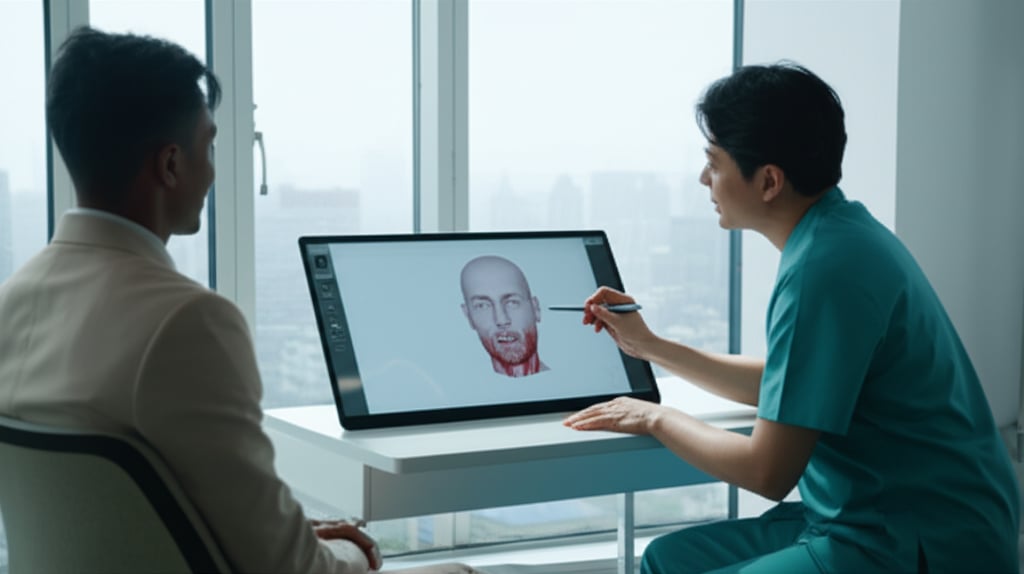
Korean Facelift Recovery: Your Essential Guide to Healing
Read about Korean Facelift Recovery: Your Essential Guide to Healing on faceon

Korean Facelift Recovery: Your Comprehensive Pathway to Healing and Rejuvenation
Embarking on the journey of a Korean facelift represents a monumental stride towards unveiling a more youthful and refined countenance. While the intricate surgical process itself is meticulously orchestrated and executed by highly skilled practitioners, the subsequent recovery period holds an equally pivotal role in securing optimal outcomes and fostering a serene healing experience. Many individuals, particularly those drawn to the cutting-edge cosmetic advancements offered in South Korea, often find themselves pondering the genuine landscape of this post-operative phase. Gaining a clear understanding of the typical chronological progression, effective strategies for managing common symptoms, and the indispensable aftercare protocols can fundamentally transform this potentially daunting period into an empowering voyage.
The Immediate Aftermath: Navigating the Initial Hours Post-Procedure
In the immediate hours following a Korean facelift, patients are meticulously observed within a dedicated recovery zone, typically for a span of several hours. This initial monitoring phase is paramount, centering on ensuring the patient’s physiological stability and overall comfort before they are cleared for discharge. It is entirely customary to find specialized dressings enveloping the cheek and neck regions, often firmly secured by a compression bandage. This bandage is an indispensable ally in the healing process, playing a critical role in mitigating swelling and actively preventing the undue accumulation of fluid beneath the skin. In certain instances, a slender, temporary drainage tube may be strategically inserted to facilitate the removal of any surplus blood or fluid, a measure usually maintained for the first day or two.
The experience of discomfort is generally characterized as mild to moderate, typically proving quite manageable with the aid of prescribed oral medications. The sensation of severe pain is an anomaly; any notable escalation in discomfort should prompt immediate communication with your medical care team. Expect to perceive a distinct sensation of tightness extending across the neck, beneath the chin, and around the ears – akin to a gentle, firm embrace. Swelling and bruising are also highly anticipated guests during this period, usually reaching their zenith within the first 36 to 48 hours post-surgery, much like a tide rising and falling. Patients are typically cleared to consume liquids and light meals a few hours after the procedure, carefully reintroducing the digestive system. Operating a vehicle is unequivocally forbidden immediately following surgery, necessitating pre-arranged transportation and the initial assistance of a trusted companion, which are absolutely essential preparations.
Key Takeaway: The immediate recovery phase is defined by vigilant observation, proactive management of initial swelling and discomfort through compression and appropriate medication, and strict adherence to specific guidelines concerning physical activity and dietary intake. This foundational period sets the stage for a smooth healing trajectory.
The First Seven Days: Mastering Swelling, Bruising, and Daily Rhythms

The initial week subsequent to a Korean facelift constitutes an exceptionally critical window for comprehensive healing and regeneration. During the inaugural post-operative consultation, which typically occurs within a day or two of the procedure, the bulkier dressings and any temporary drains are usually gently removed. Patients are then frequently transitioned to a specialized, supportive elastic face garment. This garment, much like a second skin, is designed to be worn precisely as directed by the surgeon, providing continuous compression and support.
Swelling and bruising will be at their most conspicuous during this first week, often reaching their peak visibility around days three to five. The bruising itself may undergo a fascinating chromatic evolution, appearing more intense as it cycles through various hues – from purplish-blue to greenish-yellow – before gradually dissipating over a period of two to three weeks. To vigorously support your recovery, maintaining an elevated head position, particularly during sleep, is profoundly recommended. Utilizing an extra pillow or two, or even a specialized wedge pillow, can significantly aid in reducing persistent facial swelling, allowing gravity to work in your favor. Light physical activities, such as gentle ambulation indoors, can often commence as early as one to three days post-operation. These brief, unhurried walks promote healthy circulation without imposing strenuous exertion on the body. However, any action that involves bending forward, lifting heavy objects, or engaging in activities that elevate blood pressure should be rigorously avoided for at least a full week, as these can impede healing and potentially cause complications.
Gentle Cleansing and Skincare Regimen: Patients are typically permitted to carefully wash their face and take a shower approximately four days after a facelift. It is imperative to allow water to delicately cascade over the surgical areas, scrupulously avoiding any form of rubbing, scrubbing, or vigorous massaging. Think of it as a soft, cleansing rain. The application of makeup and any form of facial massage are generally restricted until one week after the stitches have been removed, ensuring the delicate healing tissues are not disturbed.
Precise Medication Adherence: It is absolutely vital to continue taking all prescribed antibiotics and pain medications with unwavering precision, exactly as directed by your surgeon. These medications are a crucial component of your recovery, preventing infection and managing discomfort. Conversely, aspirin, ibuprofen, naproxen, or other non-steroidal anti-inflammatory drugs (NSAIDs) should be unequivocally avoided for a two-week period both preceding and following surgery, unless explicitly advised by your surgeon. These medications can thin the blood and potentially increase the risk of bleeding or bruising.
Strategic Compress Therapy: For the initial three days following your procedure, apply cool (never icy cold) compresses to the surgical area. This early application is instrumental in reducing initial swelling and preventing the spread of bruising, acting like a gentle cold blanket. After this initial period, typically around day four, transition to applying warm compresses. These warm applications help to accelerate the dissipation of lingering bruising and encourage healthy blood flow to the healing tissues. Each compress session should be limited to approximately 30 minutes, with ample rest periods interspersed between applications to avoid over-cooling or over-heating the skin.
Key Takeaway: The paramount focus during the first week revolves around diligent management of swelling and bruising, meticulous wound care, engaging in only light, non-strenuous activity, and unwavering adherence to prescribed medication schedules and compression guidelines. This period lays the crucial groundwork for sustained recovery.
Weeks Two to Six: The Gradual Re-Emergence and Scar Maturation Journey
By the commencement of the second week following a Korean facelift, the vast majority of individuals begin to experience a significant uplift in their overall well-being, often feeling adequately restored to gently resume lighter aspects of their daily routines. Residual swelling and bruising will continue their graceful recession, although some subtle, faint discoloration might persist, much like a lingering shadow, for a few additional weeks. Once explicitly cleared by your surgeon, makeup can become your ally, skillfully employed to camouflage any remaining bruising or minor discolored areas, allowing you to step out with renewed confidence.
The practice of sleeping with your head elevated continues to bestow significant benefits for several weeks, acting as a continued guardian against swelling. Patients can gradually transition to sleeping in a modified reclining position, perhaps using a specialized recliner chair or an arrangement of pillows that keeps the head and upper torso elevated. However, lying completely flat or sleeping on your stomach should still be studiously avoided, as these positions can exacerbate swelling and put undue pressure on the healing areas. A common and entirely normal sensation around the earlobes, face, and neck is numbness. This can persist for several weeks or even a few months as the delicate nerves embark on their intricate process of regeneration and reconnection. Patience is truly a virtue here.
The surgical scars, though meticulously positioned to be as inconspicuous as possible – often tucked discreetly along the hairline or behind the ears – may initially appear reddish and possess a slightly firm texture during the first four to six weeks. This is a normal part of the early healing process. Over time, these marks of transformation will gradually fade into softer, lighter lines, eventually becoming much less noticeable. Their ultimate, final appearance can take up to a full year, sometimes even longer, to fully manifest, underscoring the long game of scar maturation.
Reintroducing Physical Activity: A careful, phased reintroduction to regular fitness routines can commence around this period, allowing your body to gradually rebuild strength and stamina. However, strenuous exercise, heavy lifting (anything that causes you to strain or hold your breath), or activities that carry any risk of facial trauma (such as high-impact sports, swimming where the face is submerged, or diving) should be steadfastly avoided for a minimum of one month. The rationale is to prevent increased blood pressure in the healing tissues and protect the delicate surgical sites from accidental injury. Consult your surgeon for specific clearance for individual activities.
Vigilant Sunlight Protection: The nascent, healing skin is exceptionally vulnerable and must be diligently shielded from direct sun exposure. Consider the sun’s rays as a potential adversary to your delicate new skin. Always wear high-quality sunglasses and a wide-brimmed hat when venturing outdoors, providing a physical barrier against harmful UV radiation. Furthermore, consistently apply a broad-spectrum sunscreen with a minimum SPF of 30, at least 30 minutes prior to any sun exposure. Healing skin is particularly susceptible to sunburn, which can not only cause discomfort but also lead to irregular pigmentation (dark spots) that can be difficult to correct. Make sun protection an unwavering part of your daily ritual.
Navigating Social Re-engagement: Most patients begin to feel sufficiently comfortable and confident to engage in social activities, especially in unfamiliar environments, around three weeks post-surgery. This often marks a significant psychological milestone in the recovery journey. However, it is fundamentally important to internalize that the complete healing process is still very much ongoing beneath the surface, and the final, magnificent results of your facelift will continue to emerge and subtly refine themselves over the coming months. As various online resources and patient experiences suggest, the virtue of patience is truly paramount in appreciating the full scope of your transformation. The journey to the final aesthetic destination is not a sprint, but a graceful marathon. You may not feel entirely "yourself" or see the absolute final result immediately, and that is perfectly normal and expected. Continue to be gentle with yourself, both physically and emotionally, as your new appearance steadily unfurls.
Related Articles

Why Korean Clinics Are Setting the Gold Standard in Skin Rejuvenation
Korean Facelift Recovery: Your Essential Guide to Healing