Rhinoplasty in Korea: A Complete Guide to Types, Process, and Recovery
Read about Rhinoplasty in Korea: A Complete Guide to Types, Process, and Recovery on faceon

When considering rhinoplasty, many individuals envision a significant alteration to their facial features. However, in South Korea, a global leader in aesthetic surgery, the emphasis often lies not in drastic change but in the nuanced pursuit of a natural, harmonious resultthat complements one's existing profile. This guide demystifies the journey of rhinoplasty in Korea, providing essential insights for those seeking to understand every facet of the procedure.
This guide explores why Korea has become a top destination for advanced nasal surgery, highlighting the expertise of its surgeons and its technological advantages, such as 3D-CT scanning for precise planning. We cover the full spectrum of procedures, from Natural Line and Structural Rhinoplasty to complex Revision Rhinoplasty. You will learn about the patient journey, including in-depth consultations, the use of safe materials like autologous cartilage, the recovery timeline, and essential aftercare. This article serves as a comprehensive resource for understanding the principles and practices of modern Korean rhinoplasty.
Untitled
Considering rhinoplasty is a significant decision, and South Korea has emerged as a leading destination for the procedure. The country 's reputation is built on experienced specialists, advanced medical technology, and an artistic focus on creating balanced, natural-looking results.
Korean surgeons perform a range of procedures, from subtle enhancements to complex structural corrections. This patient-centric approach is supported by meticulous planning; as noted by Made Young Plastic Surgery (2024), the use of autologous tissues (the patient's own cartilage) is preferred for the nose tip to ensure a natural feel and reduce complications. The entire journey is designed for safety and optimal outcomes.
- Consultation & Planning: In-depth discussion with a surgeon, followed by a 3D-CT scan to analyze your unique nasal anatomy.
- Customized Surgery: The procedure is tailored to your goals, whether it's a Natural Line, Structural, or Revision Rhinoplasty.
- Initial Recovery: The first week involves the most significant downtime, with stitches typically removed around day five to seven.
- Final Results: While you'll see changes quickly, minor swelling can take six months to a year to fully resolve, revealing the final, refined shape.
This comprehensive overview highlights how Korea 's blend of surgical expertise, advanced diagnostics, and personalized care creates a reliable and effective rhinoplasty experience.
The Korean Advantage: Why It's a Global Hub for Rhinoplasty
South Korea's standing as a global leader in cosmetic surgery is founded on a culture of specialization, technological integration, and a distinct aesthetic philosophy. For rhinoplasty, this means patients receive care that is both technically precise and artistically nuanced, moving far beyond simple augmentation.
The foundation of this advantage is deep surgical expertise. It is common for leading surgeons to have over two decades of dedicated experience, with some clinics having performed more than 20,000 rhinoplasty procedures. This high volume cultivates a profound understanding of diverse nasal structures and complex cases. This experience is amplified by advanced diagnostic tools. According to VIPPS Korea (2024), the standard use of3D-CT scans allows for a millimeter-precise analysis of bone, cartilage, and soft tissue, enabling surgeons to create a surgical plan that anticipates challenges and ensures accuracy. This data-driven approach minimizes guesswork and maximizes predictability.
Furthermore, the Korean aesthetic philosophy prioritizes harmony over isolated changes. The objective is not merely to create a higher nose bridge but to sculpt a nose that complements the patient's entire facial structure, from the forehead to the chin. This holistic view is central to achieving results that are both beautiful and inherently natural. Clinics reinforce this with comprehensive care systems, including in-house anesthesiologists, one-on-one consultations, and structured post-operative programs to support a smooth recovery, a standard of care you can expect when researching top clinics.
Aesthetic Philosophy: The guiding principle is achieving an ideal facial ratio, where the final nasal shape creates a sense of balance and enhances the individual's overall appearance rather than drawing attention to a single feature.
South Korea's leadership in rhinoplasty stems from a combination of extensive surgical skill, data-driven technological precision, and a refined artistic vision.
Tailoring the Perfect Nose: Common Rhinoplasty Types in Korea
A successful rhinoplasty is not a one-size-fits-all procedure; it is a highly customized surgery tailored to an individual 's unique anatomy and aesthetic goals. Korean clinics excel at this personalization, offering specialized techniques designed to address a wide spectrum of concerns, from minor refinements to major structural corrections.

The three primary approaches are Natural Line, Structural, and Revision Rhinoplasty, each serving a distinct purpose. Natural Line Rhinoplasty is ideal for those seeking subtle enhancement, such as raising a low nose bridge or refining a short nose. This technique often involves a biocompatible implant for the bridge, while the tip is shaped with the patient's own autologous cartilage (from the ear or septum) to create a soft, natural-looking contour that moves and feels real.
Structural Rhinoplasty is a more comprehensive approach for correcting functional and aesthetic issues like a prominent dorsal hump, a bulbous or wide tip, or a deviated septum. Correcting a hump, as detailed by clinics like View Plastic Surgery (2024), may involve an osteotomy, where the nasal bone is carefully fractured and repositioned to create a smooth, straight profile. This procedure can also improve breathing by straightening the internal nasal structure.
Revision Rhinoplasty is the most complex category, reserved for patients who are unsatisfied with the results of a previous surgery. Common issues include visible implants, asymmetry, or a "piggy nose" caused by scar contracture. This demanding procedure requires a surgeon with exceptional skill to deconstruct and rebuild the nasal framework. Due to the presence of scar tissue and a potentially weakened structure, surgeons almost exclusively use stronger autologous materials, such as rib cartilage, to create a stable and lasting foundation.
| Rhinoplasty Type | Ideal Candidate / Concern | Common Technique |
|---|---|---|
| Natural Line | Low/short nose, seeking subtle enhancement | Silicone implant for bridge + autologous cartilage for tip |
| Structural | Hump nose, bulbous/wide tip, deviated septum | Bone shaving (osteotomy), cartilage reshaping & suturing |
| Revision | Unsatisfactory results from a previous surgery | Rebuilding structure, often using autologous rib cartilage |
The final surgical plan is meticulously developed after a thorough diagnosis, ensuring the chosen technique perfectly aligns with the patient's structural needs and aesthetic desires.
Your Journey to a New Profile: The Rhinoplasty Process Explained
Navigating rhinoplasty in Korea is a structured and patient-centric experience. The system is designed to align aesthetic goals with surgical possibilities, prioritizing safety and predictable outcomes through every stage.
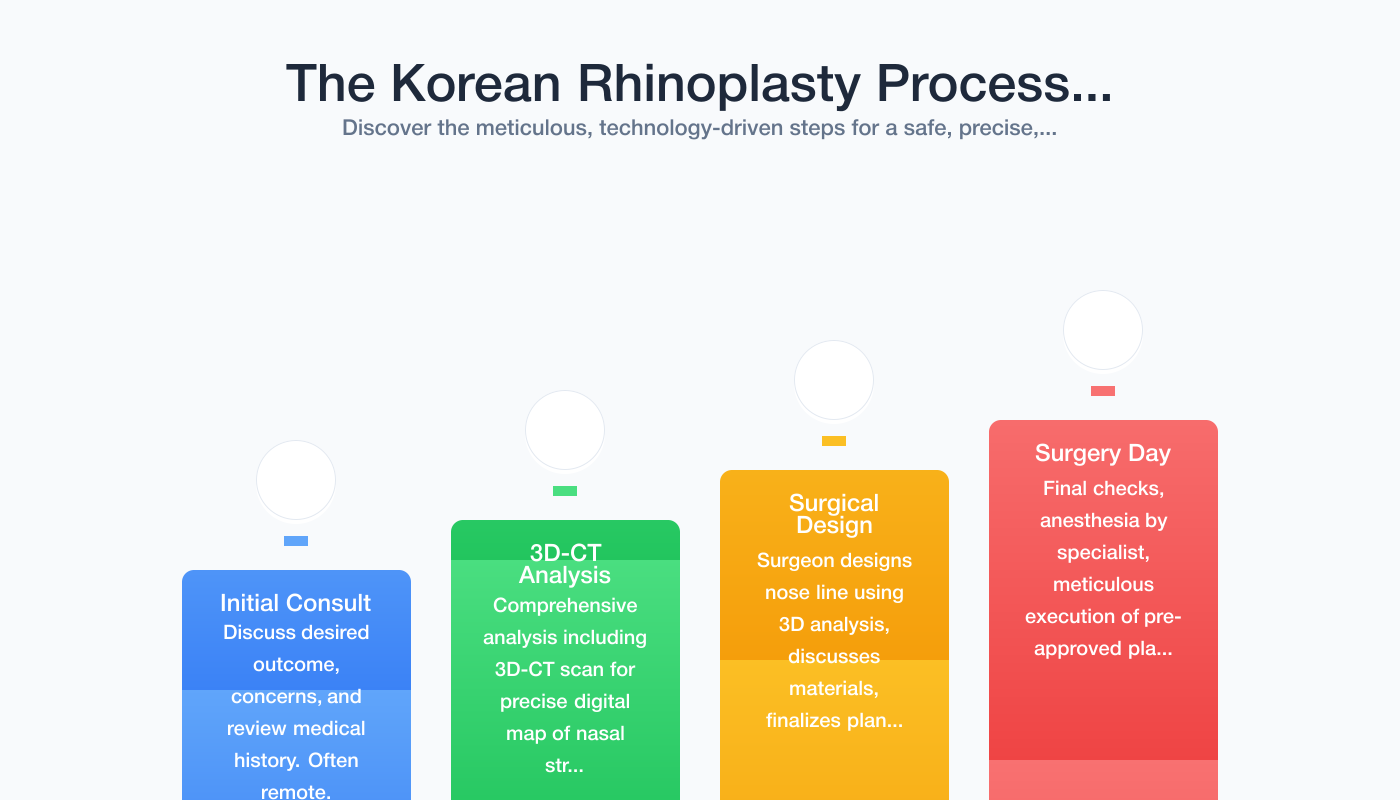
According to materials from View Plastic Surgery, this systematic approach involves using advanced diagnostics like a 3D-CT scan to analyze nasal bone structure and soft tissue with incredible accuracy. This detailed imaging allows surgeons to identify hidden asymmetries and create a surgical plan tailored to your unique facial anatomy. The entire process is broken down into clear, manageable stages:
- Initial Consultation & Goal Setting: Your journey begins with a consultation, which can often be conducted remotely using photographs. You will discuss your desired outcome, express any concerns, and review your medical history. This initial step ensures your goals are understood and realistic.
- In-Depth Clinical Analysis: Once you visit the clinic in Korea, a comprehensive analysis is performed. This includes a 3D-CT scan to create a precise digital map of your nasal structure. This technology provides a detailed view of bone, cartilage, and the septum, forming the foundation for the surgical plan.
- Personalized Surgical Design: The surgeon uses the 3D analysis to design a nose line that harmonizes with your overall facial features. During this crucial meeting, you will discuss the surgical approach, material choices (such as silicone or autologous cartilage), and finalize the plan together.
- Surgery Day: On the day of the procedure, you will undergo final pre-operative checks. An in-house anesthesiology specialist will administer anesthesia—typically general for most rhinoplasties—and monitor you throughout the surgery. The surgeon then meticulously executes the pre-approved plan, a process that can last from one to four hours depending on its complexity.
The Korean rhinoplasty process is a meticulous, technology-driven journey that prioritizes precise planning and patient safety from the initial consultation through to the surgery itself.
Healing and Recovery: What to Expect After Your Rhinoplasty

The success of your rhinoplasty extends beyond the operating room; your recovery period is just as crucial for achieving the best possible result. Understanding the healing timeline helps you prepare and navigate the post-operative phase with confidence.
A well-managed recovery is a phased process that requires patience and careful adherence to your surgeon's instructions. Each stage brings you closer to seeing the final, refined shape of your new nose. As outlined by clinics like Made Young Plastic Surgery, diligent aftercare, such as using ice packs for the first few days and sleeping with your head elevated, is critical for minimizing swelling and promoting healing. Following these guidelines diligently will support a smoother, more comfortable recovery.
The recovery journey can be broken down into distinct phases:
| Timeline | What to Expect | Key Care Tips |
|---|---|---|
| Week 1 | Peak swelling and bruising, especially in the first 72 hours. A nasal splint and internal packing may be in place. Stitches are typically removed after 5-7 days. | Rest is paramount. Apply cold compresses as directed. Sleep with your head elevated on several pillows. Avoid blowing your nose. |
| Weeks 2–4 | Significant reduction in swelling and bruising. You can typically resume light daily activities and return to work. The nose will still feel stiff and swollen. | Continue to avoid strenuous exercise, heavy lifting, and contact sports. Be gentle when washing your face. |
| Months 1–3 | The nose's shape becomes much more defined as swelling continues to subside. You will start to see a clear preview of the final result. | Avoid any impact or pressure on the nose (e.g., wearing heavy glasses). Protect your nose from sun exposure. |
| Months 6–12 | Final results emerge as the last traces of subtle swelling, particularly at the nasal tip, fully resolve. The tissues soften and settle into their permanent shape. | You can typically resume all normal activities. Enjoy your final result and attend any final follow-up appointments. |
A successful rhinoplasty outcome is heavily dependent on the patient's adherence to a structured recovery timeline and diligent aftercare practices.
Revision Rhinoplasty in Korea: Correcting and Refining Results
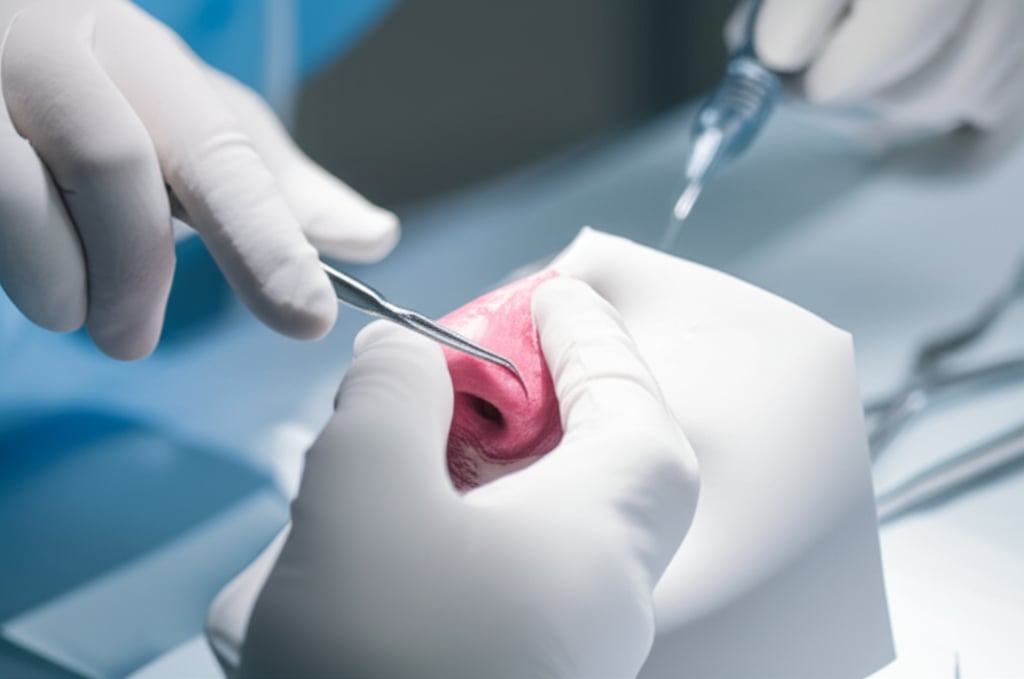
While most primary rhinoplasties are successful, sometimes a second procedure is necessary to correct issues or further refine the aesthetic outcome. Revision rhinoplasty is a significantly more complex undertaking, and it is an area where Korean surgeons have developed world-renowned expertise.
This procedure addresses challenges from a previous surgery, such as implant-related complications, nasal deviation, or dissatisfaction with the initial shape. It is considered one of the most difficult plastic surgeries due to the presence of scar tissue and a potentially compromised internal structure. According to specialists at VIPPS Korea, revision cases require advanced reconstructive techniques to rebuild the nasal framework. This is why surgeons often prefer using autologous cartilage—tissue taken from the patient's own body. Rib cartilage, in particular, is valued for its strength and abundance, providing a durable and natural material to reconstruct the nose safely.
The decision to undergo a revision should not be taken lightly and requires careful consideration of timing and technique.
Note: It is critical to allow your nasal tissues to fully heal and soften before attempting a revision. Most expert surgeons recommend waiting at least six months to a year after the previous surgery to ensure the best possible conditions for a successful corrective procedure.
Common reasons for seeking revision surgery include visible implant lines, skin redness or thinning over an implant, inflammation, or nasal contracture, where scar tissue pulls the nose into an upturned position. Korean surgeons approach these issues with a deep understanding of nasal anatomy and a focus on long-term structural integrity. They meticulously remove problematic scar tissue and old implants, then rebuild the nose using robust, natural materials to create a stable and aesthetically pleasing result.
Korean surgeons approach revision rhinoplasty as a complex reconstructive procedure, leveraging advanced techniques and autologous materials to safely correct past issues and achieve the desired outcome.
Rhinoplasty in Korea offers a sophisticated approach to nasal refinement, blending surgical artistry with advanced medical technology. As we've explored, the journey involves careful consideration and informed decision-making.
Here are the key takeaways from this guide:
- Korean Expertise & Natural Aesthetics: Korea remains a global leader in rhinoplasty, distinguished by highly skilled surgeons, cutting-edge technology like 3D-CT scanning, and an unwavering commitment to achieving natural, harmonious results that complement individual facial features.
- Diverse & Tailored Procedures: The spectrum of available procedures is broad, ranging from subtle Natural Line Rhinoplasty and comprehensive Structural Rhinoplasty for significant corrections, to specialized Revision Rhinoplasty designed to refine or correct previous surgeries.
- Meticulous Process & Structured Recovery: The entire rhinoplasty journey is characterized by meticulous planning, involving in-depth consultations, precise surgical execution often utilizing safe autologous cartilage, and a well-defined recovery timeline that culminates in final results settling over several months.
Embarking on a rhinoplasty journey is a significant personal decision with the potential to enhance confidence and facial balance. This guide provides a foundational understanding of the process in Korea, from surgical options to recovery. However, the most critical step is a personal consultation with a qualified, board-certified specialist. Finding the right professional is key, and resources like Face On Korea can help guide your search. An informed dialogue with an expert is essential to ensure your journey is safe, transparent, and aligned with your desired outcome.
Tags
Related Articles

How to Choose the Right Plastic Surgeon in Korea: A Guide for International Patients

How to Choose the Right Plastic Surgeon in Korea: An International Patient’s Guide