
Safety First: Debunking Plastic Surgery Accident Myths
Read about Safety First: Debunking Plastic Surgery Accident Myths on faceon
For many, the thought of plastic surgery conjures images of "botched" results and unforeseen accidents, fueled by dramatic media portrayals. This perception often casts a shadow of fear over elective aesthetic procedures, creating the assumption that such complications are common. The reality, however, is far more reassuring. Serious complications in plastic surgery are remarkably rare when performed by qualified professionals in accredited facilities, making the widespread belief in frequent, catastrophic accidents a myth sensationalized beyond statistical fact.
This guide separates fiction from medical fact, empowering you to approach your aesthetic journey with informed confidence. We will explore the true landscape of plastic surgery safety, moving beyond generalized fears to understand the real, albeit minimal, risks involved. You will learn why the notion of "botched" results being common is largely inaccurate for procedures performed by expert, board-certified surgeons. We will take you inside the modern clinic to reveal the rigorous safety protocols, advanced anesthesia monitoring, and sterile environments that are standard practice. Furthermore, we will outline your crucial role as an informed patient, detailing the steps you can take—from choosing the right surgeon to following pre- and post-operative instructions—to contribute to a safe and successful outcome. By understanding these facts, you can make informed decisions about your aesthetic goals with peace of mind.
TL;DR
Thinking about plastic surgery but worried about the risks? You're not alone, but the reality of its safety might surprise you. The dramatic "botched" stories you see online are outliers, not the norm.
Modern cosmetic surgery, when performed by a qualified professional, has an excellent safety record. The key lies in separating media hype from medical fact. According to the American Society of Plastic Surgeons (2023), serious complications are rare, especially with proper patient screening and protocols in an accredited facility. The most critical factor is the expertise of your chosen surgeon.
- Myth: Catastrophic accidents are common.
- Reality: Severe complications are statistically rare.
- Myth: The procedures themselves are inherently dangerous.
- Reality: The biggest risks often come from unqualified practitioners.
- Myth: You have no control over the outcome.
- Reality: Your health and choice of surgeon are the most critical factors for safety.
While no surgery is entirely risk-free, modern plastic surgery is exceptionally safe when proper protocols are followed by both the clinic and the patient.
Understanding the Real Risks: Separating Fact from Fear
The prospect of surgery can be intimidating, and it is natural to feel a mix of excitement and anxiety. These fears are valid, but they are often amplified by media stories focusing on rare, worst-case scenarios, creating a perception of danger that does not align with the data.
The goal is not to ignore risks but to understand and manage them effectively. A productive conversation about safety starts with facts, not fear. As outlined in reports from the American Society of Plastic Surgeons (2023), the most common risks—like infection or adverse reactions to anesthesia—are well-understood and have established mitigation protocols. The focus is on prevention, not chance. The safety of a procedure performed by a specialist is remarkably high, often safer than many routine medical interventions. By understanding the real, manageable risks, you can shift your focus from "what if" to "how to prepare."
Note: The most significant step you can take to ensure your safety is choosing the right professional. An expert surgeon will not only perform the procedure skillfully but also educate you on every potential risk and how it will be managed.
An informed patient is an empowered patient, and understanding the statistical reality helps you make a confident, clear-headed decision. True safety comes from careful planning, realistic expectations, and partnership with a qualified medical expert.
Myth 1: 'Botched' Results and Accidents are Common
The word "botched" brings to mind images of unnatural, exaggerated, or asymmetrical results—perhaps the single greatest fear for anyone considering cosmetic surgery.
Contrary to this fear, catastrophic outcomes are exceedingly rare. When unsatisfactory results do occur, they are almost never random "accidents." They are typically traced back to a practitioner lacking the proper credentials and training or a fundamental misalignment between patient expectations and surgical possibility. A skilled, board-certified surgeon is more than a technician; they are an artist. The American Board of Cosmetic Surgery (2024) emphasizes that a surgeon's goal is to create harmony and balance, enhancing your unique features rather than creating a generic or "done" look. Unnatural outcomes are prevented long before the surgery begins through rigorous training and meticulous planning.
| Feature | Board-Certified Surgeon | Unqualified Practitioner |
|---|---|---|
| Consultation | Focuses on your goals, safety, and realistic outcomes. | May promise unrealistic results or downplay risks. |
| Technique | Prioritizes natural harmony, minimal scarring, and balance. | Often uses a one-size-fits-all, "cookie-cutter" approach. |
| Facility | Operates in an accredited, sterile surgical center. | May use an in-office room that lacks proper safety equipment. |
| Safety Focus | Has extensive training in handling complications. | Lacks the experience or resources to manage emergencies. |
The difference between a beautiful enhancement and a poor result almost always comes down to the expertise of the person holding the scalpel. Finding a verified, experienced professional is the best way to ensure your procedure is both safe and successful.
Inside the Modern Clinic: A Bastion of Safety Protocols
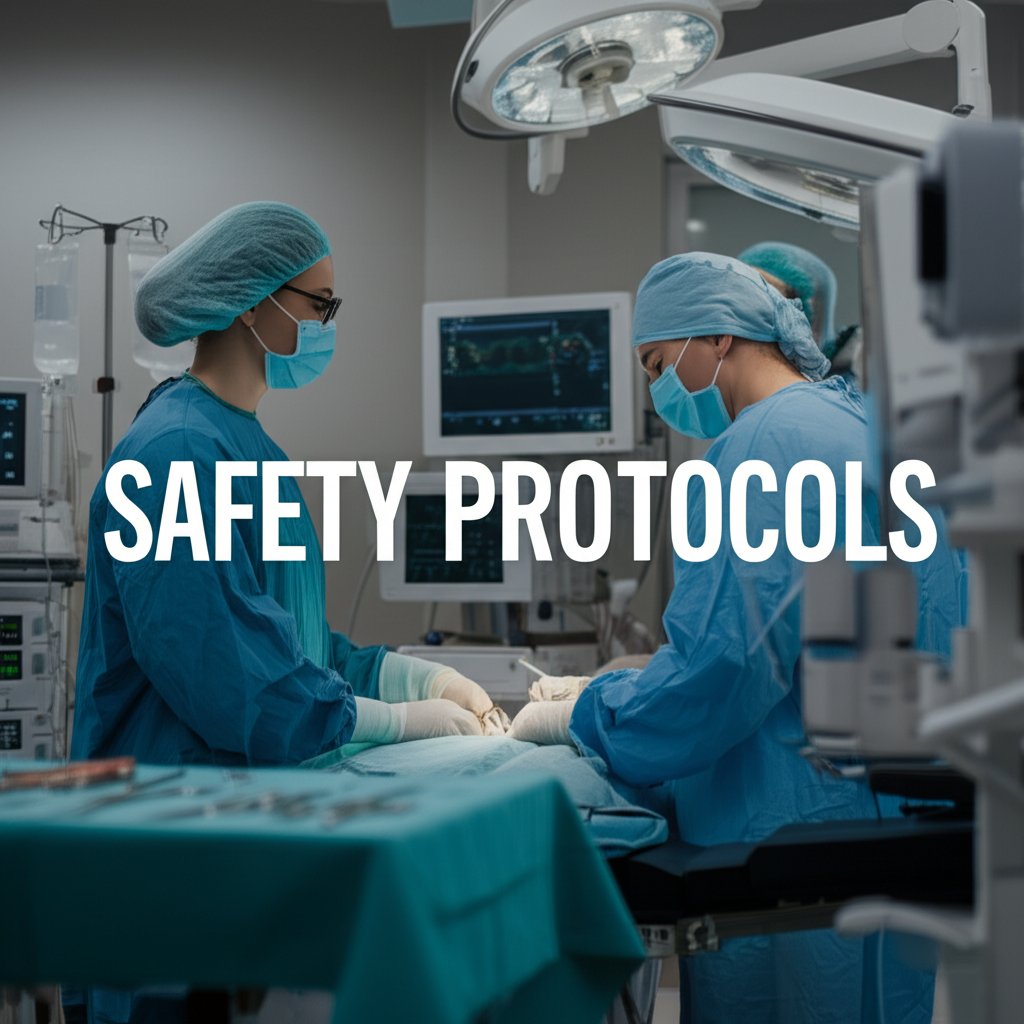
When you picture an operating room, you likely imagine a sterile, high-tech environment, and that image is accurate. However, it only scratches the surface of the comprehensive safety measures in place.
Modern surgical facilities are meticulously designed to protect patient health at every turn. This involves rigorous standards for staff, equipment, and procedures that go far beyond simple cleanliness. According to the American Society of Plastic Surgeons, operating in an accredited surgical facility is a critical component of patient safety, as these centers are regularly inspected to ensure they meet the highest standards of care. This multi-layered system begins long before you enter the operating room.
- Accreditation and Staffing: Reputable clinics hold accreditations from bodies like the JCAHO or AAAASF. This ensures the facility meets stringent national standards for equipment, operating room safety, and staff credentials. A board-certified anesthesiologist or CRNA is always present to manage your anesthesia and monitor you throughout the procedure.
- Pre-Operative Screening: Before surgery, a thorough review of your medical history is conducted. This often includes blood tests and a strict protocol for stopping certain medications or supplements that could increase bleeding risk, ensuring your body is prepared for a safe procedure.
- Sterilization and Infection Control: The surgical site is cleansed with powerful antimicrobial washes just before the procedure. The operating room itself is a sterile environment with filtered air and strict protocols to prevent contamination and minimize the risk of infection.
- Advanced Real-Time Monitoring: During the surgery, sophisticated equipment tracks your vital signs—including heart rate, blood pressure, and oxygen levels—in real time. This allows the anesthesia provider to make immediate adjustments and ensure you remain stable and safe from beginning to end.
These comprehensive safety protocols are not optional extras; they are the standard of care in any high-quality surgical center.
Your Role in a Safe Surgery: A Patient's Checklist
While your surgeon and medical team are experts in safety, a successful outcome depends on a partnership. Your active participation is essential for a smooth procedure and recovery.
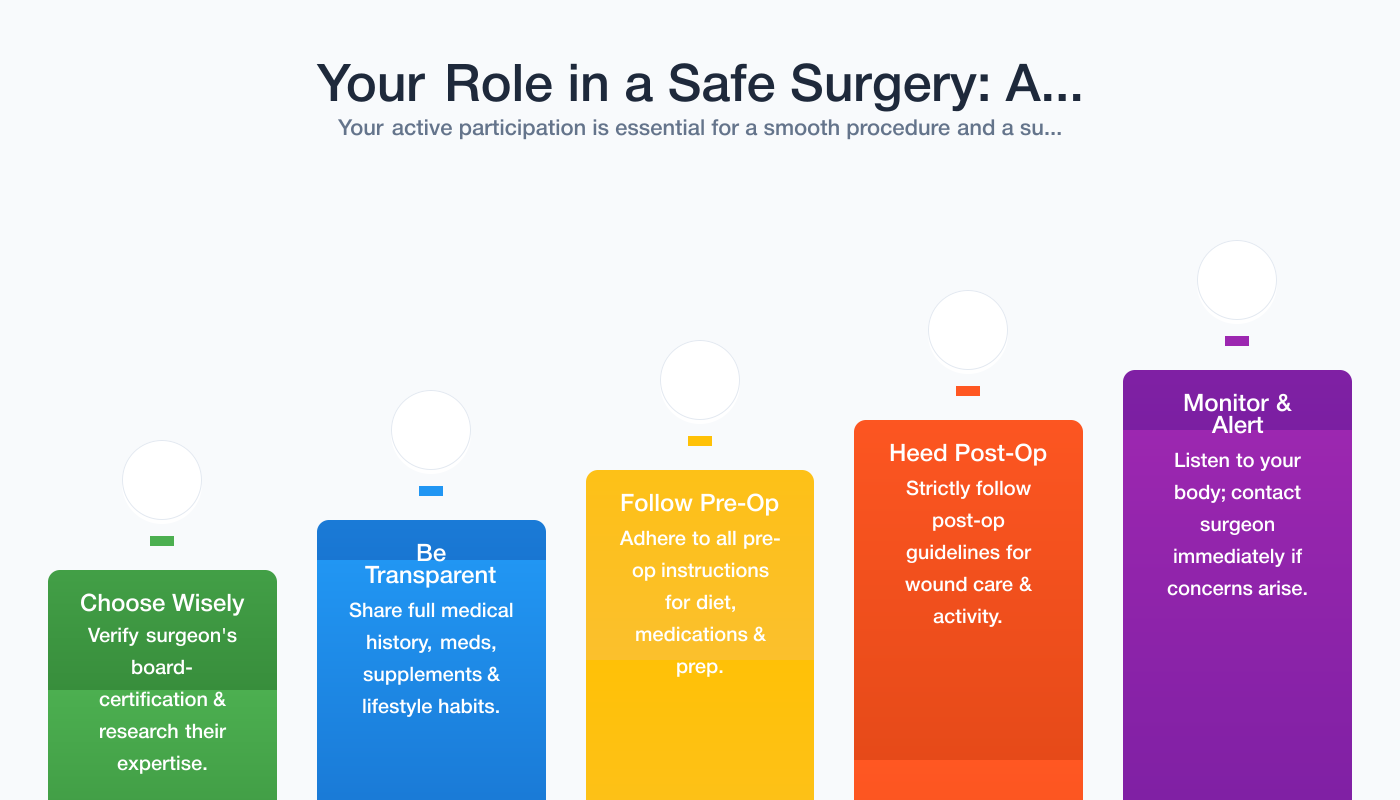
Your honesty, preparation, and diligence directly influence your final result. The American Society of Plastic Surgeons emphasizes that patients should always verify their surgeon is board-certified, as this demonstrates a high level of training and expertise. Being a proactive patient means doing your homework and communicating openly, which empowers you and helps your medical team provide the best possible care tailored to your unique health profile.
Note: Your full medical history is one of the most critical pieces of information for your surgical team. Be completely transparent about all medications, supplements, vitamins, and lifestyle habits like smoking or alcohol consumption. Withholding information can create serious, preventable risks.
Your role continues after the consultation. Meticulously following your surgeon’s pre- and post-operative instructions is not just a suggestion—it is a critical part of the safety plan. This includes guidelines on eating, medication, wound care, and activity levels. Finally, listen to your body during recovery. If something feels wrong or you have concerns, contact your surgeon’s office immediately.
Ultimately, an engaged, informed, and honest patient is a safer patient.
Take the Next Step with Confidence
Navigating the world of plastic surgery can feel overwhelming, but safety is not a matter of chance. It is the direct result of a partnership between a highly qualified medical team and a diligent, well-informed patient.
While no surgery is without risk, modern advancements and rigorous protocols have made cosmetic procedures safer than ever. The key is to move past fear and focus on making empowered, educated decisions. Debunking myths with facts, as noted by the American Board of Cosmetic Surgery, is the first step toward a more accurate understanding of the field. This allows you to approach your goals with clarity and confidence.
| Approach | Fear-Based Thinking | Informed Decision-Making |
|---|---|---|
| Information | Relies on anecdotes and myths | Seeks out credible sources and expert advice |
| Surgeon Choice | Focuses on price or social media | Prioritizes board certification and experience |
| Communication | Hides details about health/lifestyle | Provides a full, honest medical history |
| Outcome | Leads to anxiety and potential risks | Fosters safety and realistic expectations |
Your journey begins with finding a trusted expert who can answer your questions and guide you. Armed with the right information and the right professional partner, you can pursue your aesthetic goals safely and effectively.
Ready to replace uncertainty with expert guidance? Use FaceOn to connect with vetted, board-certified plastic surgeons in Korea for a free, confidential online consultation. It’s the first, most important step toward making your decision with total confidence.
We've navigated through common myths surrounding plastic surgery, revealing a reality where modern aesthetic procedures are remarkably safe when approached correctly. The sensationalized narratives often seen in media do not reflect the stringent safety standards and professional dedication prevalent in today's clinics. Serious complications are rare, modern clinics uphold rigorous protocols, and your active participation is crucial to a successful outcome. Empower yourself by prioritizing meticulous research and seeking detailed consultations with highly qualified professionals. This pragmatic approach allows you to pursue your goals with a strong foundation of safety and trust.
A safe and successful aesthetic journey is built on a foundation of diligent research, open communication, and partnership with a qualified medical expert.
Tags
Related Articles

How to Choose the Right Plastic Surgeon in Korea: A Guide for International Patients

How to Choose the Right Plastic Surgeon in Korea: An International Patient’s Guide